

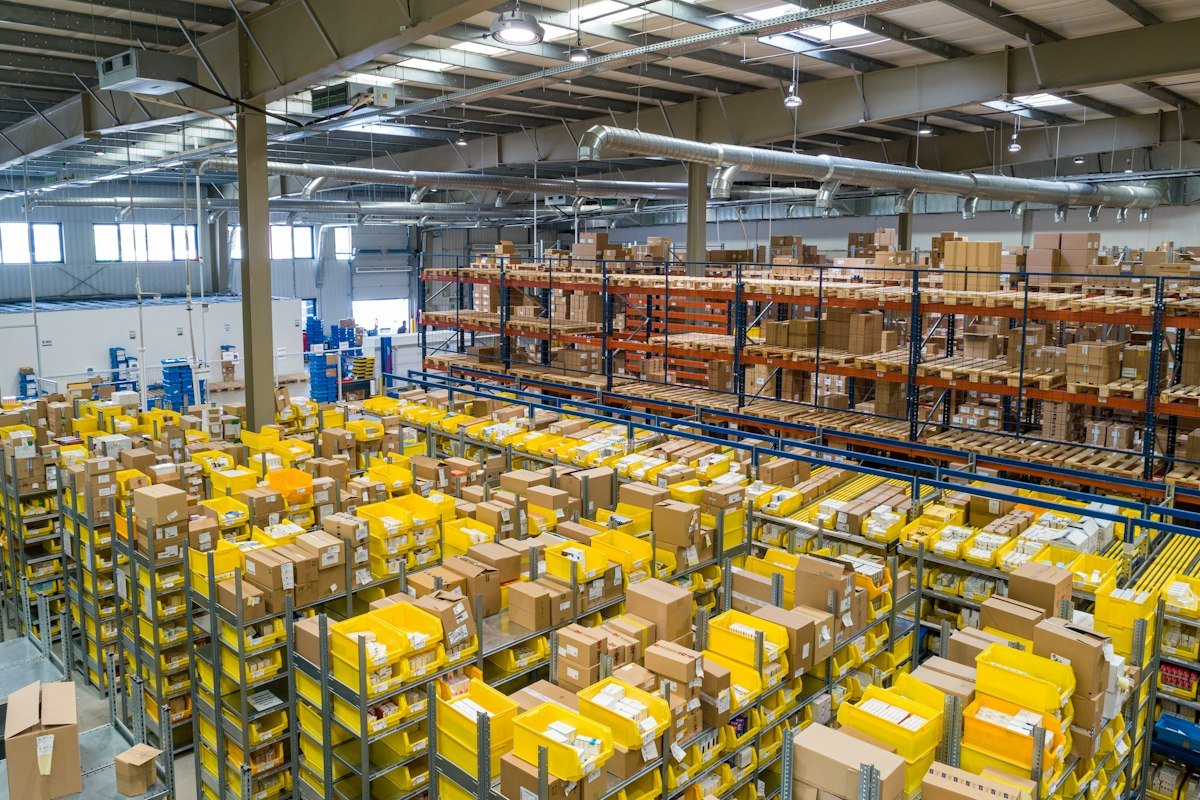
Winning high-volume commercial shipping retainers, enterprise 3PL warehousing contracts, and intermodal freight routes across the UK, Australia, and North America requires specialized logistics website design. When corporate supply chain directors, import/export controllers, and procurement heads evaluate freight partners, operational transparency and friction-free rate quoting dictate their carrier selection.
If a logistics provider’s digital portal looks like an abandoned broker directory, conceals fleet equipment capabilities (such as ambient vs. refrigerated temperature-controlled fleets or bonded warehouse capacities), or forces shippers through slow email quote chains, corporate logistics buyers will instantly switch to automated freight forwarders. Enterprise freight and third-party logistics (3PL) contracts regularly exceed £250,000 to over £1 million in recurring annual freight spend. To capture these contracts, your website must serve as an automated rate calculation, tracking, and compliance portal.
Based on our comprehensive audits of regional freight forwarders and 3PL warehousing companies across Felixstowe, Melbourne Port, and Ontario logistics corridors, over 68% of logistics websites actively lose freight opportunities due to clunky quote forms and a lack of clear customs compliance trust. In this technical guide, we break down the 6 non-negotiable architectural pillars that transform your freight website into an enterprise retainer engine.
Table of Contents: Logistics & Freight Website Architecture
- The Commercial Shipper Mindset: How Supply Chain Heads Choose Freight Partners
- Comparison Matrix: Generic Trucking Template vs. Enterprise B2B Freight Engine
- 1. The 3-Step Instant Freight Rate & Route Intake Funnel
- 2. Specialized Logistics Service Silos (Ocean, Air, FTL/LTL & 3PL Warehousing)
- 3. Bonded Warehousing, Customs Brokerage & AEO / C-TPAT Trust Ribbons
- 4. Client Shipment Tracking & WMS / TMS Portal Integration
- 5. Trade Corridor Geographic Landing Pages (Port & Intermodal Hubs)
- 6. Enterprise Mobile PageSpeed for Busy Distribution Dispatchers
- How Much Does a Logistics & Freight Website Cost in 2026?
- Frequently Asked Questions (Logistics & Freight Forwarding)
The Commercial Shipper Mindset: How Supply Chain Heads Choose Freight Partners
Supply chain directors, retail replenishment controllers, and industrial manufacturers navigate tight distribution deadlines, volatile bunker fuel surcharges, and stringent regulatory oversight from agencies like HM Revenue & Customs (HMRC) and the Australian Border Force (ABF).
When a freight procurement manager evaluates a carrier or 3PL warehouse, risk avoidance is paramount:
- Route & Lane Reliability: Do you have guaranteed space allocations on primary shipping lanes or dedicated fleets for high-priority corridors?
- Customs & Bonded Compliance: Can you clear complex customs tariffs, import VAT, and phytosanitary inspections without port demurrage penalties?
- Cold Chain & Security Integrity: Are your facilities certified for GDP pharmaceuticals, food-grade storage, or high-value bonded goods?
- Real-Time API Visibility: Can your system provide automated milestones, container tracking, and Proof of Delivery (POD) integration?
If your website fails to communicate these operational assurances immediately, shippers assume you are an under-capitalized intermediary. High-performance logistics website design instills trust instantly and guides commercial inquiries directly into your quote pipeline.
Comparison Matrix: Generic Trucking Template vs. Enterprise B2B Freight Engine
See how a purpose-built B2B logistics platform outconverts a standard trucking template:
| Platform Capability | Generic Trucking Template | Vigroos B2B Freight Architecture |
|---|---|---|
| Freight Quote UX | Vague contact form with 24-48hr response delay | Structured 3-step intake: Origin/Destination postal codes, weight/pallet dims, commodity type |
| Fleet & Facility Proof | Stock photo of a generic semi-truck on an open highway | Real fleet specifications: Curtain-siders, tail-lifts, reefer temps, pallet racking capacity |
| Customs & Security Badges | No regulatory or customs accreditations shown | AEO-F (Authorised Economic Operator), IATA cargo agent, BIFA, and C-TPAT verified ribbons |
| Client Portal Integration | No client login or tracking link | Single-sign-on (SSO) button to external WMS/TMS portals (e.g. Descartes, CargoWise, CartonCloud) |
| Search Engine Silos | One single generic “Services” page | Individual hubs for Air Freight, Ocean LCL/FCL, Cross-Border Road Haulage & 3PL Fulfillment |
1. The 3-Step Instant Freight Rate & Route Intake Funnel
When a freight forwarder’s form requires a potential customer to fill out 20 generic form boxes without clarifying shipping dimensions, conversion drops off a cliff. We engineer a frictionless 3-Step Commercial Freight Quote Funnel:
- Step 1: Transport Mode & Route: Select service type (Full Truckload FTL, Less-than-Truckload LTL, Ocean Container FCL/LCL, or Expedited Air Cargo) and input pickup/delivery postal codes.
- Step 2: Cargo Specifications: Number of standard pallets, total gross weight (kg/lbs), hazardous material (ADR / DG classification), and temperature requirements (ambient, chilled +2°C to +8°C, or frozen -20°C).
- Step 3: Commercial Shipper Details: Company name, registered VAT/EORI number, corporate email, and automated dispatch routing to your pricing desk.
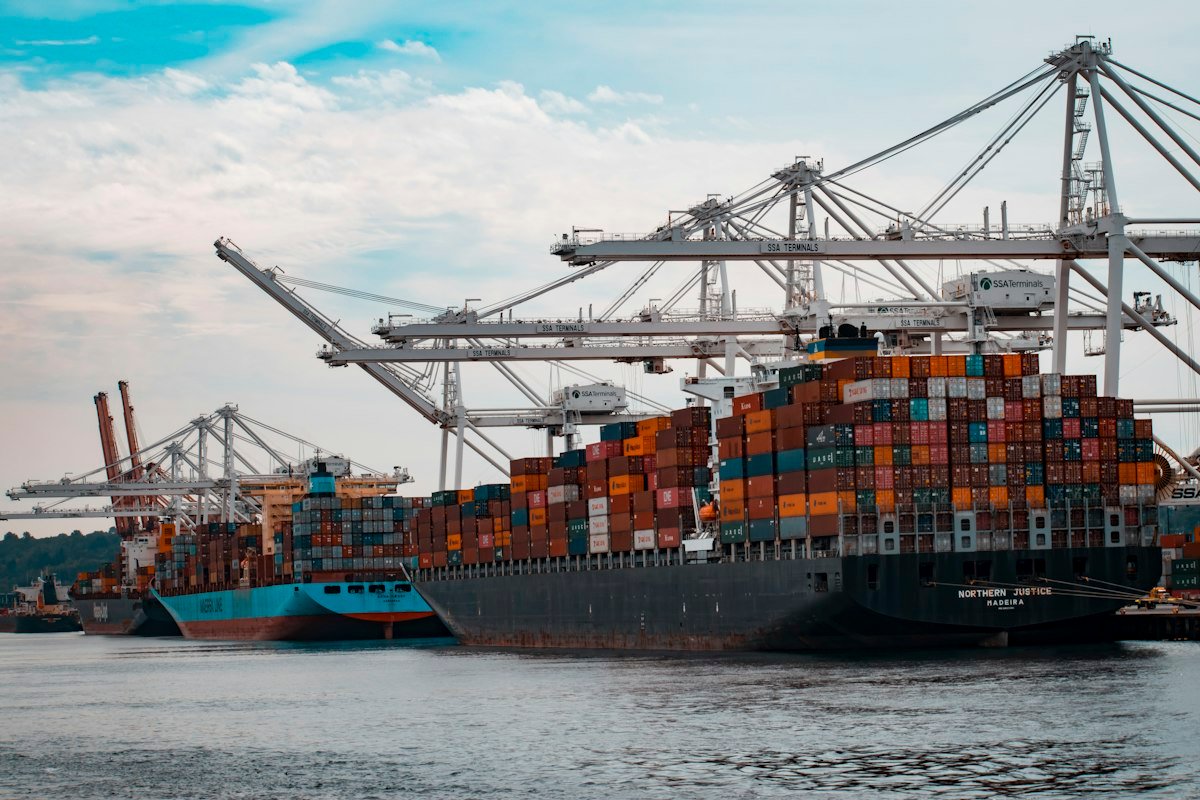
2. Specialized Logistics Service Silos (Ocean, Air, FTL/LTL & 3PL Warehousing)
Treating intermodal shipping, road haulage, and contract warehousing under a single webpage sacrifices high-intent search traffic. We establish specialized topical silos engineered for enterprise keyword rankings:
- Contract 3PL Warehousing & Fulfillment: Highlighting high-bay pallet storage racking, pick-and-pack eCommerce fulfillment, bonded holding areas, and integrated inventory management.
- Ocean Freight Forwarding (FCL & LCL): Explaining full container load, consolidated container shipping, port drayage, and demurrage avoidance protocols.
- International Air Cargo & Expedited Charter: Showcasing priority air freight, Next-Flight-Out (NFO) services, and secure aviation security compliance (Regulated Agent status).
- Overland Road Haulage & Intermodal Freight: Detailing tautliner curtain-siders, Moffett truck-mounted forklifts, flatbed heavy haulage, and cross-docking facilities.
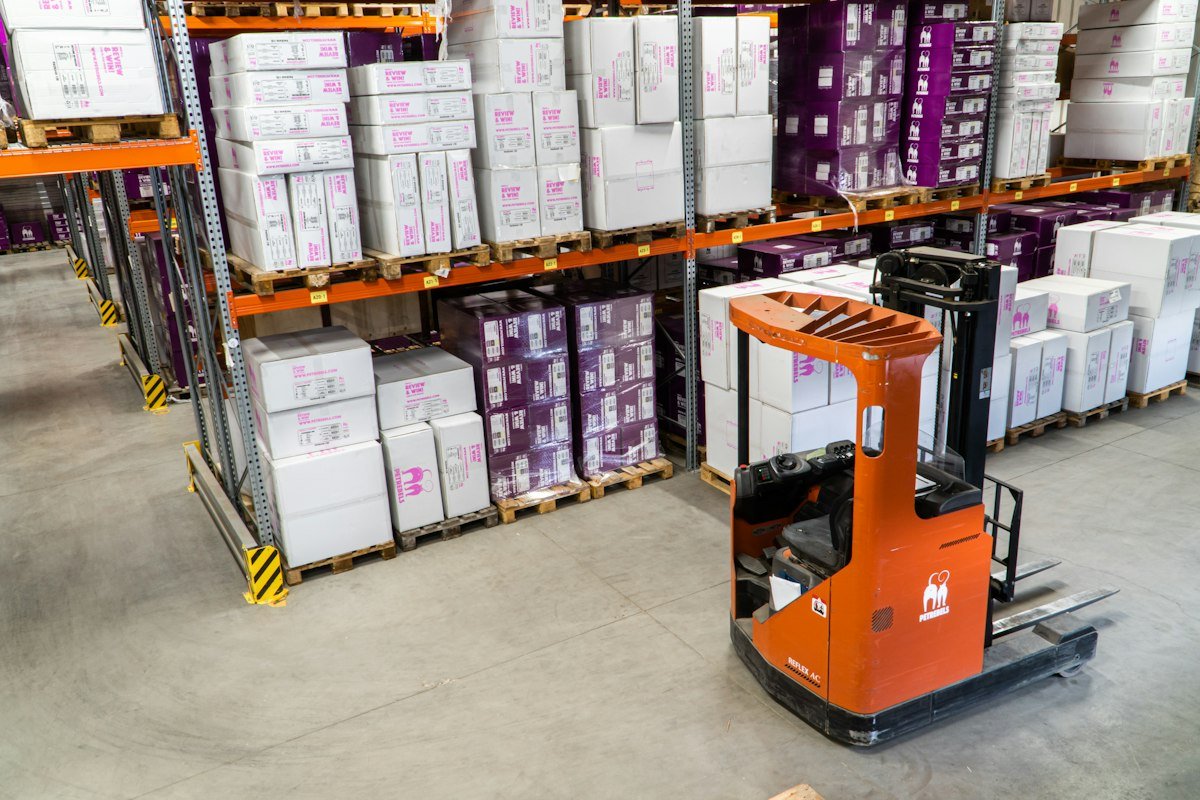
3. Bonded Warehousing, Customs Brokerage & AEO / C-TPAT Trust Ribbons
Customs clearance delays cost importers thousands of dollars in port fees and lost sales. Demonstrating verifiable customs brokerage authority and security compliance creates instant credibility:
- Authorised Economic Operator (AEO): Prominently displaying verified AEO-C (Customs Simplifications) and AEO-S (Security and Safety) status, proving faster green-lane border clearance.
- Customs Clearance & Tariff Management: Highlighting direct connections to national customs systems (UK CDS, Australian ICS, US ACE), handling classification, duty deferment, and ATA carnets.
- Industry Affiliations: Verified membership badges for BIFA (British International Freight Association), FIATA, IATA, and RHA (Road Haulage Association).
- Cargo Transit Insurance: Explicitly detailing Goods in Transit (CMR) liability coverage and optional Marine All-Risks cargo insurance.
4. Client Shipment Tracking & WMS / TMS Portal Integration
Modern enterprise shippers demand visibility. Even if your internal operations run on specialized software like CargoWise, Descartes, CartonCloud, or SAP, your public website serves as the primary gateway for your clients’ daily tracking activities.
We engineer a dedicated Client Portal Access Strip:
- Quick-search container and consignment number tracking bar directly in the navigation header.
- Direct Single Sign-On (SSO) links to your external Warehouse Management System (WMS) and Transport Management System (TMS).
- Downloadable resource hub for shipping documents: standard Bill of Lading (BOL), Dangerous Goods notes, and commercial invoice templates.
5. Trade Corridor Geographic Landing Pages (Port & Intermodal Hubs)
Shippers search for carriers serving specific distribution corridors (e.g. “Felixstowe container haulage”, “Melbourne to Sydney express freight”, or “Toronto Pearson air cargo warehousing”).
We create localized commercial landing hubs configured with geographic schema:
- Corridor details including transit times (e.g. overnight 24-hr express or 48-hr economy).
- Local depot locations, warehouse cross-docking capacities, and fleet dispatch hubs.
- Custom JSON-LD
LogisticsServiceschema defining primary service areas and origin-destination routes for AI search indexing.
6. Enterprise Mobile PageSpeed for Busy Distribution Dispatchers
Logistics managers and warehouse coordinators frequently check shipment details on smartphones while walking warehouse aisles or loading docks. A slow, unresponsive site creates frustration and lost tenders.
Our mobile-first performance setup guarantees:
- Sub-1.5 second First Contentful Paint (FCP) on 4G mobile networks.
- 100% responsive data tables for container dimensions, pallet capacities, and transit schedules.
- Instant-click phone routing for urgent after-hours freight dispatch desks.
Logistics & Freight Forwarding Website Pricing (2026)
Bespoke supply chain web development from traditional logistics marketing agencies typically costs between £5,000 and £12,000. At Vigroos Web Designs, we offer transparent, milestone-driven investment options:
- Core Commercial Redesign: £200 – £250 / AUD $380 – $480 (Introductory Partner Pricing) — Complete WordPress responsive design of Homepage, Services Silos (Ocean, Air, Road, 3PL), AEO/Customs Trust Ribbon, 3-Step Freight Quote Funnel, and sub-1.5s mobile speed tuning.
- Regional Expansion Silo Package: £400 – £600 / AUD $750 – $1,150 — Includes everything in Core plus up to 8 dedicated trade corridor or port-specific landing hubs engineered with localized logistics schema.
Frequently Asked Questions (Logistics & Freight Forwarding)
Can the website integrate with our external CargoWise or WMS system?
Yes. We configure dedicated Single Sign-On (SSO) client portal links and webhook API endpoints that allow customers to check tracking numbers or log into your external freight software directly from your website.
How does a structured quote funnel reduce friction for our internal pricing team?
Instead of receiving vague emails lacking pallet dimensions or weight, our 3-step freight funnel mandates accurate postal codes, dimensions, and cargo types, allowing your freight desk to produce accurate quotes immediately without back-and-forth emails.
Can our staff update fuel surcharges, lane updates, and service announcements?
Yes. We build clean notification banner components and custom field modules. Your team can update monthly bunker adjustment factors (BAF), road fuel surcharges, or holiday port hours in seconds.
Will redesigning our logistics site affect our current search engine rankings?
No. We preserve all established URL authority by mapping permanent 301 redirects for every existing page and enhancing your topical authority with structured B2B logistics schema.
Do you charge recurring monthly licensing or platform fees?
No. You own 100% of your WordPress files, database, and content with full administrator privileges. We offer optional monthly maintenance and security monitoring, but you are never tied into proprietary SaaS fees.
Looking to Capture More Enterprise Freight Contracts?
Whether you need to upgrade an outdated freight forwarder website, build an automated 3-step rate quote funnel, or launch targeted intermodal lane hubs, let’s discuss your platform.